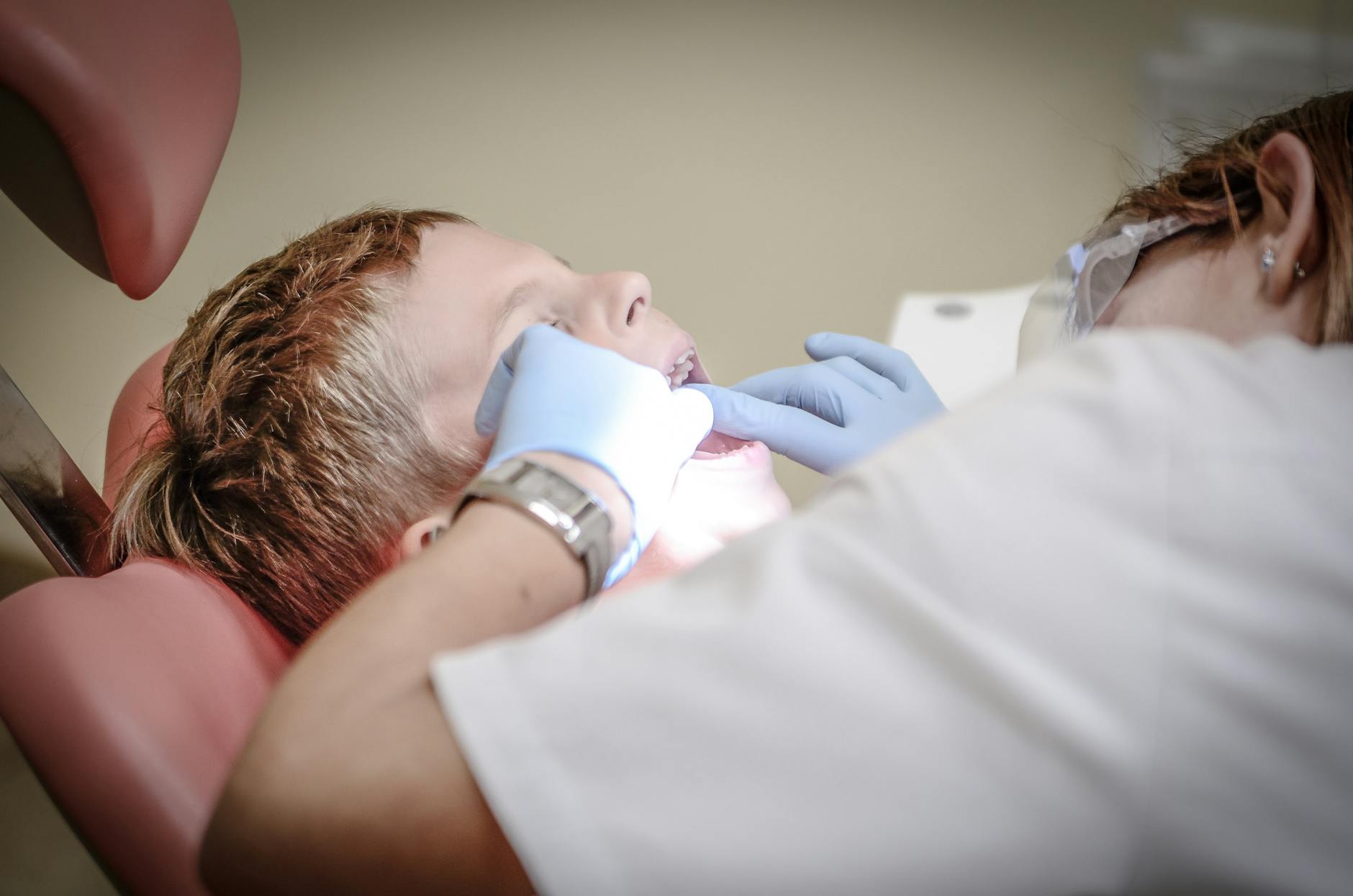
Anna came to me at 28 weeks pregnant. Her gums had been bleeding for 3 months at every brushing, but she was afraid to come. «I thought the dentist would harm the baby, better to wait until after birth». I checked: moderate gingivitis, moderate plaque, periodontitis risk. I explained: waiting is more dangerous than treating. The Cochrane 2017 review showed untreated periodontitis in pregnancy raises preterm-birth risk 4-7 times. PZR and gum treatment in the 2nd trimester are completely safe. Had Anna come at week 13, one PZR session would have spared her 6 months of worry.
I see these situations often. Ukrainian and Russian-speaking patients are often afraid of the dentist during pregnancy because that is what they were taught at home. Germany follows a different protocol: ideally come to the dentist before planning pregnancy, sanitise the mouth, then schedule regular check-ups in the 2nd trimester. More importantly, GKV gives pregnant women an additional free Frühuntersuchung in the 1st trimester and discounted PZR.
16 years of practice and many pregnant patients in Hamburg. I treat the way I'd want my own wife to be treated. Below are the safe DGZMK 2026 standards, all evidence-based.
Myths vs. Facts
Myth: "You can't go to the dentist during pregnancy" → Fact: Dental treatment is safe. especially in the 2nd trimester.
Myth: "Anaesthesia harms the baby" → Fact: Local anaesthesia with the right agent is safe for mother and foetus.
Myth: "Any X-ray is dangerous" → Fact: Digital dental X-ray with a lead apron delivers a dose thousands of times below the risk threshold.
Best Time for Dental Treatment
First Trimester (weeks 1,12)
Organ development phase. Postpone elective treatment. Emergency care for acute pain or infection must be provided. an untreated infection is more dangerous than any dental procedure.
Second Trimester (weeks 13,26). the ideal window
Organogenesis complete, abdomen not yet too large. The ideal treatment period (der ideale Behandlungszeitraum). All necessary procedures should be done now.
Third Trimester (weeks 27,40)
Prolonged supine position can compress the inferior vena cava. Emergency treatment only; postpone elective procedures until after delivery.
Anaesthesia: What Is Safe?
Articain with adrenaline at 1:200,000 concentration is the accepted standard for pregnant patients in Germany. At this dilution, adrenaline acts only locally and barely enters the systemic circulation. Treating without anaesthesia "to be safe" is wrong: pain triggers cortisol and adrenaline release in far higher doses than local anaesthesia provides.
X-rays: When and How
When necessary: single-tooth digital X-ray with a lead apron. Radiation dose: approx. 0.01 mSv. comparable to one day of natural background radiation.
Pregnancy Gingivitis
Affects 60,75% of pregnant women. Rising progesterone and oestrogen make the gums more reactive to plaque. Symptoms: bleeding, swelling, redness. Untreated gingivitis can progress to periodontitis. which research links to preterm birth and low birth weight.
Medications: Allowed and Forbidden
✅ Allowed: Paracetamol, Amoxicillin, Clindamycin (penicillin allergy)
❌ Contraindicated: Ibuprofen (especially 3rd trimester), high-dose Aspirin, Tetracyclines, Metronidazole (1st trimester)
What GKV covers for pregnant women in 2026
Many migrant patients don't know that pregnant women in Germany have extra dental entitlements. Do not skip these, GKV pays for them.
Frühuntersuchung in the 1st trimester
Extra preventive check-up for pregnant women, fully covered by GKV. The dentist examines teeth and gums and advises on hygiene. Useful before the 2nd trimester so you can plan treatment in the golden window.
PZR with partial or full reimbursement
Standard PZR costs 80-120 € and is not a GKV benefit. But many funds (AOK, Techniker, Barmer, DAK) reimburse 100% for pregnant women 1-2 times per pregnancy. Significantly reduces gingivitis and periodontitis risk. Ask your fund, not all dentists mention it.
Caries treatment and endodontics
Fully covered by GKV in all trimesters when needed. Don't postpone: an untreated tooth infection is more dangerous than anaesthesia.
What is NOT covered
Whitening, veneers, implants, orthodontics, aesthetic dentistry. All these wait until after pregnancy and breastfeeding.
5 tips I give every pregnant patient
Specific and practical. Exactly what I say to my patients in the chair.
1. Book between weeks 13 and 26
The golden window. Mention the pregnancy immediately. Do a PZR if you tend to gingivitis. This lowers periodontitis risk by 80% (DGZMK 2024).
2. Don't brush for 30 minutes after morning sickness
Stomach acid softens enamel. Brushing right away grinds it away mechanically. Rinse first with water plus half a teaspoon of baking soda (neutralises acid), wait 30-40 minutes, then brush with a soft brush and fluoride toothpaste.
3. Lengthen the intervals between meals
Frequent snacks (especially carbs against nausea) are constant acid attacks on enamel. Eating 6-8 times a day sharply increases caries risk. Aim for 3 full meals + 1-2 healthy snacks (cheese, nuts), not «tea and biscuits» every 2 hours.
4. Don't trust «folk remedies»
«Rinse with salt water», «chew mastic», «eat dairy for tooth calcium». Old wives' tales without evidence. The real solution: 1450 ppm fluoride toothpaste twice a day, interdental brushes, 1-2 PZR sessions per pregnancy.
5. Don't fear local anaesthesia
Articain with epinephrine 1:200,000 is safe. Treating without anaesthesia is more dangerous, because stress hormones harm the fetus more than 2 cartridges of anaesthetic. DGZMK dentists have a dedicated anaesthesia protocol for pregnant patients, which I use.